
Loading...

Loading...
 AILink: Opening the Web4 Era of AI Agent-Driven Automated FinanceOver the past few years, decentralized finance (DeFi) has developed rapidly and gradually formed a complete on-chain financial infrastructure. From decentralized exchanges to lending protocols, and from stablecoins to derivatives trading, DeFi has already covered a wide range of financial scenarios and built an ever-expanding on-chain financial ecosystem.
As the market has grown, DeFi’s total value locked (TVL) once exceeded $93 billion, while the number of users worldwide has continued to rise. This shows that on-chain finance is becoming one of the most important applications in the Web3 ecosystem. However, most DeFi protocols today still rely on smart contracts with fixed logic. Users must execute operations manually and frequently switch between different protocols, making it difficult for complex financial strategies to run automatically over the long term.
Data screenshot source: DefiLlama
With the rapid development of AI technology, on-chain finance is entering a new stage—moving from traditional financial protocols driven by smart contracts toward automated financial execution networks powered by AI Agents. This shift is also seen as an important sign of Web3 evolving into Web4: if Web3 enabled decentralized ownership of assets and data through blockchain, then Web4 gives the internet intelligent execution capabilities through AI Agents, allowing users to delegate complex on-chain financial operations to intelligent agents for automatic completion.
Against this backdrop, AILink Protocol emerged.
An AI Agent-Driven On-Chain Financial Execution Network
AILink is an AI Agent-driven on-chain financial execution platform. Through the Agent Commerce Protocol (ACP), AILink has built an on-chain financial execution network composed of AI Agents, enabling AI to automatically carry out complex financial tasks within the on-chain ecosystem.
Within the AILink network, AI Agents can automatically execute strategies based on real-time market data, manage on-chain assets, and complete complex financial operations across different protocols. Through continuous data analysis and strategy optimization, these Agents can keep improving execution efficiency, allowing financial activities to achieve a higher degree of automated operation on-chain.
Through this mechanism, AILink is upgrading on-chain finance from a static smart contract system into an AI-driven financial execution network.
ENI: The Infrastructure Network Behind AILink
AILink Protocol is built on ENI Network. ENI is a high-performance modular Layer-1 blockchain network designed for large-scale commercial applications, aiming to provide stable and scalable infrastructure for enterprise-grade Web3 applications.
Through its Hub + AppChain modular architecture, ENI can support high-concurrency transaction processing and allows different applications to deploy independent on-chain environments based on their own needs, enabling flexible expansion. This architecture allows enterprises to gradually migrate real business operations on-chain without changing their original system structure.
On top of this infrastructure, AILink is building an AI Agent-driven on-chain financial execution network, providing automated execution capabilities for the on-chain financial ecosystem.
AILink’s Technical Architecture
To support AI Agents in executing complex financial tasks on-chain, AILink has built a multi-layer architecture.
At the top is the AI Agent Layer. This layer provides intelligence capabilities, including market data analysis, strategy generation, decision-making, and risk assessment. AI Agents can continuously optimize financial strategies based on real-time data, thereby improving execution efficiency.
In the middle is the AILink Protocol Layer. This layer is responsible for executing on-chain tasks, including strategy operation, task scheduling, cross-protocol actions, and on-chain value settlement. It serves as a critical bridge between AI Agents and DeFi protocols.
At the bottom is the ENI Infrastructure Layer. AILink operates on ENI Network’s high-performance blockchain infrastructure, enabling the system to support large-scale AI Agent networks and complex financial tasks.
Through this architectural design, AILink can enable efficient collaborative operation of AI Agents within the on-chain financial ecosystem.
Building the AI-Driven Future of On-Chain Finance
As artificial intelligence continues to advance, AI Agents are gradually becoming important participants in the digital economy. From data analysis to strategy execution, and from there to the automated operation of complex financial tasks, AI is redefining how financial systems operate.
In the field of on-chain finance, this transformation is equally inevitable. The future of DeFi will no longer be just a collection of protocols driven by smart contracts, but a network of AI systems capable of continuous operation, collaborative decision-making, and automatic execution of financial strategies.
In such a system, users will no longer need to manually handle complex on-chain processes. They will only need to define their goals, and AI Agents will be able to automatically complete a full range of tasks, including strategy execution, asset management, and risk control.
AILink Protocol is building an AI Agent-driven on-chain DeFi platform. As AI Agent capabilities continue to improve and protocol standardization advances, this model of automated finance—where intelligent agents automatically execute financial strategies—is gradually becoming a reality.
AILink: Opening the Web4 Era of AI Agent-Driven Automated FinanceOver the past few years, decentralized finance (DeFi) has developed rapidly and gradually formed a complete on-chain financial infrastructure. From decentralized exchanges to lending protocols, and from stablecoins to derivatives trading, DeFi has already covered a wide range of financial scenarios and built an ever-expanding on-chain financial ecosystem.
As the market has grown, DeFi’s total value locked (TVL) once exceeded $93 billion, while the number of users worldwide has continued to rise. This shows that on-chain finance is becoming one of the most important applications in the Web3 ecosystem. However, most DeFi protocols today still rely on smart contracts with fixed logic. Users must execute operations manually and frequently switch between different protocols, making it difficult for complex financial strategies to run automatically over the long term.
Data screenshot source: DefiLlama
With the rapid development of AI technology, on-chain finance is entering a new stage—moving from traditional financial protocols driven by smart contracts toward automated financial execution networks powered by AI Agents. This shift is also seen as an important sign of Web3 evolving into Web4: if Web3 enabled decentralized ownership of assets and data through blockchain, then Web4 gives the internet intelligent execution capabilities through AI Agents, allowing users to delegate complex on-chain financial operations to intelligent agents for automatic completion.
Against this backdrop, AILink Protocol emerged.
An AI Agent-Driven On-Chain Financial Execution Network
AILink is an AI Agent-driven on-chain financial execution platform. Through the Agent Commerce Protocol (ACP), AILink has built an on-chain financial execution network composed of AI Agents, enabling AI to automatically carry out complex financial tasks within the on-chain ecosystem.
Within the AILink network, AI Agents can automatically execute strategies based on real-time market data, manage on-chain assets, and complete complex financial operations across different protocols. Through continuous data analysis and strategy optimization, these Agents can keep improving execution efficiency, allowing financial activities to achieve a higher degree of automated operation on-chain.
Through this mechanism, AILink is upgrading on-chain finance from a static smart contract system into an AI-driven financial execution network.
ENI: The Infrastructure Network Behind AILink
AILink Protocol is built on ENI Network. ENI is a high-performance modular Layer-1 blockchain network designed for large-scale commercial applications, aiming to provide stable and scalable infrastructure for enterprise-grade Web3 applications.
Through its Hub + AppChain modular architecture, ENI can support high-concurrency transaction processing and allows different applications to deploy independent on-chain environments based on their own needs, enabling flexible expansion. This architecture allows enterprises to gradually migrate real business operations on-chain without changing their original system structure.
On top of this infrastructure, AILink is building an AI Agent-driven on-chain financial execution network, providing automated execution capabilities for the on-chain financial ecosystem.
AILink’s Technical Architecture
To support AI Agents in executing complex financial tasks on-chain, AILink has built a multi-layer architecture.
At the top is the AI Agent Layer. This layer provides intelligence capabilities, including market data analysis, strategy generation, decision-making, and risk assessment. AI Agents can continuously optimize financial strategies based on real-time data, thereby improving execution efficiency.
In the middle is the AILink Protocol Layer. This layer is responsible for executing on-chain tasks, including strategy operation, task scheduling, cross-protocol actions, and on-chain value settlement. It serves as a critical bridge between AI Agents and DeFi protocols.
At the bottom is the ENI Infrastructure Layer. AILink operates on ENI Network’s high-performance blockchain infrastructure, enabling the system to support large-scale AI Agent networks and complex financial tasks.
Through this architectural design, AILink can enable efficient collaborative operation of AI Agents within the on-chain financial ecosystem.
Building the AI-Driven Future of On-Chain Finance
As artificial intelligence continues to advance, AI Agents are gradually becoming important participants in the digital economy. From data analysis to strategy execution, and from there to the automated operation of complex financial tasks, AI is redefining how financial systems operate.
In the field of on-chain finance, this transformation is equally inevitable. The future of DeFi will no longer be just a collection of protocols driven by smart contracts, but a network of AI systems capable of continuous operation, collaborative decision-making, and automatic execution of financial strategies.
In such a system, users will no longer need to manually handle complex on-chain processes. They will only need to define their goals, and AI Agents will be able to automatically complete a full range of tasks, including strategy execution, asset management, and risk control.
AILink Protocol is building an AI Agent-driven on-chain DeFi platform. As AI Agent capabilities continue to improve and protocol standardization advances, this model of automated finance—where intelligent agents automatically execute financial strategies—is gradually becoming a reality. 下一代出行经济:AI 与 Layer2 如何重塑 Drive-to-Earn 的未来随着区块链技术从“金融工具”迈向“真实世界基础设施”,Drive-to-Earn(D2E,驾驶即赚)正成为 Web3 中最具现实意义、最具规模化潜力的应用之一。
相比传统的链上玩法,D2E 不依赖投机,而是奖励人们每天都在进行的行为——移动、出行、通勤。
但早期 D2E 存在诸多问题:网络碎片化、延迟高、数据可伪造、无法规模化等。
如今,Layer2 技术、AI 运动验证、跨链路由系统正在为整个行业重新奠定基础。
IDN Network 正是把这一切推向现实的关键力量。
1. 为什么 Drive-to-Earn 在 2025 年如此重要?
全球有超过 14 亿辆 车辆在道路上行驶——即便只有极小比例接入 Web3,也将带来千万级用户规模。
D2E 的意义在于:
奖励真实世界行为,而非投机
让用户的出行成为可验证的数字资产
构建链接“现实移动数据 × 数字经济”的桥梁
让品牌、出行服务商和 DApps 建立精准奖励体系
但若要真正规模化,底层技术必须做到 快、便宜、安全、不可伪造。
2. IDN AI 路由引擎:为 D2E 解决最大技术痛点
传统 D2E 最大的难题是:
如何证明一个用户真的“动了”?到底动了多远?是否真实?
数据容易被伪造、延迟、篡改。
IDN 的 AI Routing Engine 解决了这一核心问题:
⚡ 实时运动数据验证
🌐 多链高速路由(亚秒级确认)
🤖 AI 反作弊与行为模式识别
🛡 量子级安全位置加密
每一份“出行奖励”都建立在真实数据上,而不是伪 GPS 或模拟移动。
IDN 让 D2E 可信、可扩展、可连接全链生态。
3. Layer 2:让 D2E 得以真正落地的基础设施
D2E 对底层提出了极高要求:
每天数百万条微交易
极低手续费(否则无法日常使用)
快速确认
大规模用户并发
能与不同链生态互通
Layer 2 正好解决这些关键点:
高吞吐
微乎其微的 Gas
更友好的用户体验
与 EVM / 非 EVM 生态无缝对接
这使 D2E 终于具备了走向大众的技术基础。
4. 安全与反作弊:AI 才是真正的核心壁垒
D2E 的关键不是 reward,而是 防作弊能力。
传统移动类 App 常被以下方式攻击:
虚拟 GPS
模拟器
运动模拟器
加速脚本
IDN 的 AI 安全层具备:
行为轨迹识别
运动模式检测
多传感器数据比对
异常行为自动拦截
IDN 能有效识别“真实驾驶 / 行走 / 被动移动 / 伪造路线”的差异,让奖励体系可靠可信。
5. 出行身份(Mobility Identity):一条真正的新赛道
随着 AI 与 L2 的运动验证能力成熟,一个新的概念正在兴起:
移动身份(Mobility Identity, MID)
它是用户在现实世界中的出行行为,被加密、验证并映射到链上的数字身份。
MID 能驱动:
个性化出行奖励
保险折扣
碳排放积分
汽车品牌会员体系
真实世界行为的数字信用
D2E 不再只是“奖励应用”,而是构建 全新的出行数字经济生态。
6. IDN 在未来出行经济中的位置
IDN 正在成为“下一代移动出行 Web3 网络”的核心基础设施:
🟣 AI 运动验证
打造可信、可验证的出行数据层。
🟣 Layer 2 集成
让 millions 级用户规模成为可能。
🟣 跨链路由
连接全球多链生态,实现通证与数据流动。
🟣 开发者工具
让更多 Web3 / Web2 应用可以轻松构建 D2E、M2E、L2E 等落地产品。
IDN 不只是参与 Drive-to-Earn,
IDN 正在重构整个出行奖励体系的 Web3 底层。
7. 未来展望:出行 × Web3 的黄金十年
我们即将迎来:
首批百万级真实 D2E 用户
汽车品牌与 Web3 出行奖励的深度结合
政府部门探索区块链交通数据
D2E 与导航、EV 生态、智能车联网整合
AI + Layer2 + Mobility 的产业趋势已经非常明确。
而 IDN 正站在这场变革的中心位置。
结语:让每一次移动,都能创造价值
每个人都会移动、都会通勤、都会出行。
Drive-to-Earn 是区块链最自然、最贴近生活的真实世界应用。
在 AI 验证、Layer2、跨链引擎的加持下,
IDN 正把现实世界的出行行为转变为一种新的经济力量。
未来的出行,是链上的。
未来的奖励,是实时的。
未来的价值创造,将由每一次旅程构成。
IDN:正在重塑全球移动经济的新底层。
下一代出行经济:AI 与 Layer2 如何重塑 Drive-to-Earn 的未来随着区块链技术从“金融工具”迈向“真实世界基础设施”,Drive-to-Earn(D2E,驾驶即赚)正成为 Web3 中最具现实意义、最具规模化潜力的应用之一。
相比传统的链上玩法,D2E 不依赖投机,而是奖励人们每天都在进行的行为——移动、出行、通勤。
但早期 D2E 存在诸多问题:网络碎片化、延迟高、数据可伪造、无法规模化等。
如今,Layer2 技术、AI 运动验证、跨链路由系统正在为整个行业重新奠定基础。
IDN Network 正是把这一切推向现实的关键力量。
1. 为什么 Drive-to-Earn 在 2025 年如此重要?
全球有超过 14 亿辆 车辆在道路上行驶——即便只有极小比例接入 Web3,也将带来千万级用户规模。
D2E 的意义在于:
奖励真实世界行为,而非投机
让用户的出行成为可验证的数字资产
构建链接“现实移动数据 × 数字经济”的桥梁
让品牌、出行服务商和 DApps 建立精准奖励体系
但若要真正规模化,底层技术必须做到 快、便宜、安全、不可伪造。
2. IDN AI 路由引擎:为 D2E 解决最大技术痛点
传统 D2E 最大的难题是:
如何证明一个用户真的“动了”?到底动了多远?是否真实?
数据容易被伪造、延迟、篡改。
IDN 的 AI Routing Engine 解决了这一核心问题:
⚡ 实时运动数据验证
🌐 多链高速路由(亚秒级确认)
🤖 AI 反作弊与行为模式识别
🛡 量子级安全位置加密
每一份“出行奖励”都建立在真实数据上,而不是伪 GPS 或模拟移动。
IDN 让 D2E 可信、可扩展、可连接全链生态。
3. Layer 2:让 D2E 得以真正落地的基础设施
D2E 对底层提出了极高要求:
每天数百万条微交易
极低手续费(否则无法日常使用)
快速确认
大规模用户并发
能与不同链生态互通
Layer 2 正好解决这些关键点:
高吞吐
微乎其微的 Gas
更友好的用户体验
与 EVM / 非 EVM 生态无缝对接
这使 D2E 终于具备了走向大众的技术基础。
4. 安全与反作弊:AI 才是真正的核心壁垒
D2E 的关键不是 reward,而是 防作弊能力。
传统移动类 App 常被以下方式攻击:
虚拟 GPS
模拟器
运动模拟器
加速脚本
IDN 的 AI 安全层具备:
行为轨迹识别
运动模式检测
多传感器数据比对
异常行为自动拦截
IDN 能有效识别“真实驾驶 / 行走 / 被动移动 / 伪造路线”的差异,让奖励体系可靠可信。
5. 出行身份(Mobility Identity):一条真正的新赛道
随着 AI 与 L2 的运动验证能力成熟,一个新的概念正在兴起:
移动身份(Mobility Identity, MID)
它是用户在现实世界中的出行行为,被加密、验证并映射到链上的数字身份。
MID 能驱动:
个性化出行奖励
保险折扣
碳排放积分
汽车品牌会员体系
真实世界行为的数字信用
D2E 不再只是“奖励应用”,而是构建 全新的出行数字经济生态。
6. IDN 在未来出行经济中的位置
IDN 正在成为“下一代移动出行 Web3 网络”的核心基础设施:
🟣 AI 运动验证
打造可信、可验证的出行数据层。
🟣 Layer 2 集成
让 millions 级用户规模成为可能。
🟣 跨链路由
连接全球多链生态,实现通证与数据流动。
🟣 开发者工具
让更多 Web3 / Web2 应用可以轻松构建 D2E、M2E、L2E 等落地产品。
IDN 不只是参与 Drive-to-Earn,
IDN 正在重构整个出行奖励体系的 Web3 底层。
7. 未来展望:出行 × Web3 的黄金十年
我们即将迎来:
首批百万级真实 D2E 用户
汽车品牌与 Web3 出行奖励的深度结合
政府部门探索区块链交通数据
D2E 与导航、EV 生态、智能车联网整合
AI + Layer2 + Mobility 的产业趋势已经非常明确。
而 IDN 正站在这场变革的中心位置。
结语:让每一次移动,都能创造价值
每个人都会移动、都会通勤、都会出行。
Drive-to-Earn 是区块链最自然、最贴近生活的真实世界应用。
在 AI 验证、Layer2、跨链引擎的加持下,
IDN 正把现实世界的出行行为转变为一种新的经济力量。
未来的出行,是链上的。
未来的奖励,是实时的。
未来的价值创造,将由每一次旅程构成。
IDN:正在重塑全球移动经济的新底层。 NeuronX Raises $1M in Pre-Seed Round to Develop AI-Driven Lending ProtocolNeuronX, a pioneering decentralized lending protocol on Dfinity, has successfully raised $1 million in a pre-seed funding round led by Obelisk Capital, with participation from Ecco Capital, AU21 Capital, Eureka Partners, and some angel investors. The funds will be used to advance NeuronX’s mission of revolutionizing decentralized finance (DeFi) through AI-driven automation and enhanced user experiences, making advanced financial strategies accessible to a broader audience.
At the heart of NeuronX is its groundbreaking innovation: AI-Powered Smart Liquidity Platforms (AILPs). These advanced vault strategies, powered by intelligent AI algorithms, allow users to effortlessly gain leverage by depositing a base asset. AILPs automate complex transactions and continuously rebalance positions to ensure optimal leverage without the risk of liquidation, streamlining the process and eliminating traditional DeFi complexities.
NeuronX aims to set the stage for smart DeFi, leveraging AI to create a seamless and efficient lending ecosystem. With this pre-seed funding, the company is well-positioned to drive innovation and expand its reach in the rapidly evolving DeFi landscape.
For more information:
Website: neuronx.xyz
Twitter: @NeuronX_ICP
Contact: info@neuronx.xyz
About Obelisk Capital
Obelisk Capital is a premier venture capital fund specializing in Web3 investments and market value management.
Website: obeliskcapital.xyz
Contact: official@obeliskcapital.xyz
NeuronX Raises $1M in Pre-Seed Round to Develop AI-Driven Lending ProtocolNeuronX, a pioneering decentralized lending protocol on Dfinity, has successfully raised $1 million in a pre-seed funding round led by Obelisk Capital, with participation from Ecco Capital, AU21 Capital, Eureka Partners, and some angel investors. The funds will be used to advance NeuronX’s mission of revolutionizing decentralized finance (DeFi) through AI-driven automation and enhanced user experiences, making advanced financial strategies accessible to a broader audience.
At the heart of NeuronX is its groundbreaking innovation: AI-Powered Smart Liquidity Platforms (AILPs). These advanced vault strategies, powered by intelligent AI algorithms, allow users to effortlessly gain leverage by depositing a base asset. AILPs automate complex transactions and continuously rebalance positions to ensure optimal leverage without the risk of liquidation, streamlining the process and eliminating traditional DeFi complexities.
NeuronX aims to set the stage for smart DeFi, leveraging AI to create a seamless and efficient lending ecosystem. With this pre-seed funding, the company is well-positioned to drive innovation and expand its reach in the rapidly evolving DeFi landscape.
For more information:
Website: neuronx.xyz
Twitter: @NeuronX_ICP
Contact: info@neuronx.xyz
About Obelisk Capital
Obelisk Capital is a premier venture capital fund specializing in Web3 investments and market value management.
Website: obeliskcapital.xyz
Contact: official@obeliskcapital.xyz The Rise of AI-Driven TradingThe Rise of AI-Driven Trading: How Aura AI is Transforming Crypto Futures
In the fast-evolving world of cryptocurrency, traders are constantly looking for an edge to stay ahead of market fluctuations. Aura AI, an advanced AI-driven trading bot, is making waves with its cutting-edge strategy focused solely on short-selling. Unlike traditional trading bots, Aura AI capitalizes on the philosophy that "all crypto coins will eventually drop, but not all will rise again." By targeting the top 50~200 altcoins, Aura AI maximizes profits even in bearish market conditions.
Revolutionizing the Trading Landscape
Aura AI uses advanced algorithmic analysis, real-time market scanning, and AI-powered execution to identify the perfect short-trade opportunities. The bot operates on a profit-only model, meaning users only pay when they make profits. With monthly returns ranging from 2% to 29%, Aura AI has gained a reputation for consistent profitability even in volatile market conditions.
Unlike traditional bots that use long and short strategies, Aura AI is unique in its short-only execution, leveraging market downturns to generate steady returns. The platform integrates seamlessly with major crypto exchanges via API, allowing traders to retain full control of their funds while letting AI do the heavy lifting.
Aura AI is revolutionizing crypto trading with its short-only strategy, AI-driven automation, and risk mitigation features. As the market shifts toward intelligent, algorithmic trading, Aura AI is proving to be a game-changer for those seeking consistent profits and reduced exposure to market volatility.
Stay ahead of the curve—join Aura AI today and take your trading to the next level!
The Rise of AI-Driven TradingThe Rise of AI-Driven Trading: How Aura AI is Transforming Crypto Futures
In the fast-evolving world of cryptocurrency, traders are constantly looking for an edge to stay ahead of market fluctuations. Aura AI, an advanced AI-driven trading bot, is making waves with its cutting-edge strategy focused solely on short-selling. Unlike traditional trading bots, Aura AI capitalizes on the philosophy that "all crypto coins will eventually drop, but not all will rise again." By targeting the top 50~200 altcoins, Aura AI maximizes profits even in bearish market conditions.
Revolutionizing the Trading Landscape
Aura AI uses advanced algorithmic analysis, real-time market scanning, and AI-powered execution to identify the perfect short-trade opportunities. The bot operates on a profit-only model, meaning users only pay when they make profits. With monthly returns ranging from 2% to 29%, Aura AI has gained a reputation for consistent profitability even in volatile market conditions.
Unlike traditional bots that use long and short strategies, Aura AI is unique in its short-only execution, leveraging market downturns to generate steady returns. The platform integrates seamlessly with major crypto exchanges via API, allowing traders to retain full control of their funds while letting AI do the heavy lifting.
Aura AI is revolutionizing crypto trading with its short-only strategy, AI-driven automation, and risk mitigation features. As the market shifts toward intelligent, algorithmic trading, Aura AI is proving to be a game-changer for those seeking consistent profits and reduced exposure to market volatility.
Stay ahead of the curve—join Aura AI today and take your trading to the next level!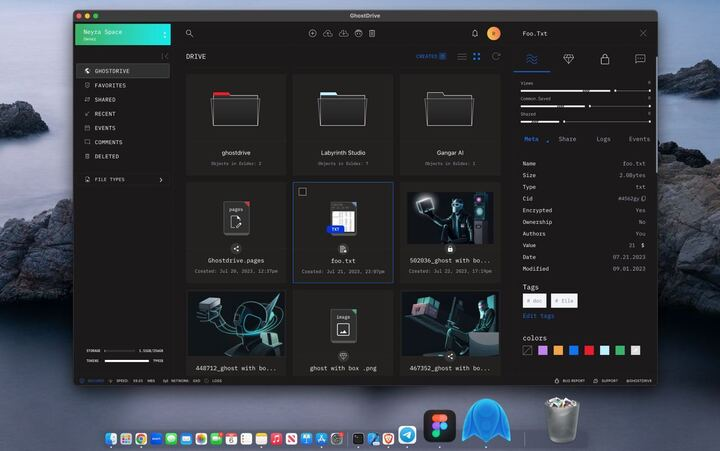 Web3 如何改进数据存储:GhostDrive加入Cointelegraph加速器来源:Cointelegraph
作者:Cointelegraph Accelerator
编译:Techub News-Kiwi
摘要: GhostDrive是一款基于 FileCoin 的专注于用户体验和加密功能的数据存储应用。
什么会推动下一个十亿用户进入区块链生态系统,代币价格的疯狂上涨?世界更多国家政府的接受度?这两者都可以帮助增加大众对于区块链技术的关注。然而更重要的是,真实世界的使用会给普通用户带来足够的兴趣来尝试该技术,这给用户提供了有用的应用程序和服务。
数据存储是一个深受中心化垄断困扰的行业,这些垄断剥夺了用户对数据的控制权和所有权。根据财富商业洞察报告,2022 年该市场估值为 2170 亿美元,预计到 2030 年将增长到 7770 亿美元以上。由于缺乏竞争,大公司能够毫不费力地主导数据存储,导致针对用户的数据存储改进停滞不前。
图:北美地区数据存储市场规模
普通用户对存储和管理数据的需求正不断增长,隐私保护问题以及中心化平台相关的高成本,使得对于由去中心化物理基础设施网络(DePIN)(包括 FileCoin 和 Arweave)支持的数据存储服务需求正日益增长。DePIN 通过互连物理资源网络(例如分布在多个位置的服务器和存储设备)提供方便的可扩展性、增强的安全性和数据存储服务。通过 DePIN,数据存储服务商可以为客户提供更便宜的定价选择。
图:中心化与去中心化数据存储价格对比
目前,大多数智能手机没有再提供额外的存储功能,而一个4K 视频至少需要约 1 GB 的存储空间,因此大型科技公司推动用户转向云存储也就不足为奇了。 由于谷歌和苹果为用户提供的云服务主要针对其各自的设备提供本机支持,因此这些中心化实体没有理由降低价格。
DePIN 使用代币来启动物理基础设施的设置,随后培育网络效应,从而构建去中心化应用程序(DApp)。 Amazon S3 等中心化解决方案的成本比 Filecoin 高出 121 倍。 然而,价格差异并不会直接转化为新用户,因为这些协议专注于基础设施和企业级解决方案,而不是普通大众。 因此,虽然成本较低,但缺乏面向消费者的应用程序限制了更多的用户增长。
web3数据存储
一个名为 GhostDrive 的新 Web3 数据存储平台将终端用户作为关注焦点。 GhostDrive 提供了一种用户友好的体验,对于来自 Google Drive 等中心化替代方案的用户来说,这种体验感很不错。 用户可以选择 MetaMask 钱包集成代替传统电子邮件注册,以简化 Web2 的登录流程。
该平台由 IPFS 和 Filecoin 提供支持,可实现资产代币化和数据的安全交换。 GhostDrive 提供了多种 Web3 友好的功能,以实现去中心化的数据存储、共享和访问。
GhostDrive 的界面,为中心化平台的用户提供熟悉的体验。 (来源)
GhostDrive 将用户对数据隐私和安全的担忧放在首位,上传到该平台的文件在传输和存储之前会经过多层加密。只有授权用户才能解密访问和查看这些文件。GhostDrive允许用户为每个上传的文件自定义加密规则,使协作项目更容易访问。
Ghostdrive 中的数据安全分布使用户能够更好地控制其数据。在平台保护基础设施的同时,用户也保护其自身数据,确保对敏感数据保密。该解决方案减少了用户对服务提供商的依赖,同时帮助提供商节省安全成本保持较低的价格。此外,GhostDrive 使用 MultiSig 技术,为关键数据操作提供多重授权,增强安全性并促进协作数据管理。
GhostDrive 还允许用户无需外部工具即可在各种格式之间切换,从而实现即时文件转换和压缩。
Ghostdrive 现在已经加入了 Cointelegraph 的加速器计划。该计划选择 Ghostdrive 因为它具有颠覆数据存储行业的潜力,并通过提供真实用例成为吸引新用户进入 Web3 生态系统的入口。这家总部位于新加坡的加密公司旨在成为数据加密、权限控制的一体化平台。
Web3 如何改进数据存储:GhostDrive加入Cointelegraph加速器来源:Cointelegraph
作者:Cointelegraph Accelerator
编译:Techub News-Kiwi
摘要: GhostDrive是一款基于 FileCoin 的专注于用户体验和加密功能的数据存储应用。
什么会推动下一个十亿用户进入区块链生态系统,代币价格的疯狂上涨?世界更多国家政府的接受度?这两者都可以帮助增加大众对于区块链技术的关注。然而更重要的是,真实世界的使用会给普通用户带来足够的兴趣来尝试该技术,这给用户提供了有用的应用程序和服务。
数据存储是一个深受中心化垄断困扰的行业,这些垄断剥夺了用户对数据的控制权和所有权。根据财富商业洞察报告,2022 年该市场估值为 2170 亿美元,预计到 2030 年将增长到 7770 亿美元以上。由于缺乏竞争,大公司能够毫不费力地主导数据存储,导致针对用户的数据存储改进停滞不前。
图:北美地区数据存储市场规模
普通用户对存储和管理数据的需求正不断增长,隐私保护问题以及中心化平台相关的高成本,使得对于由去中心化物理基础设施网络(DePIN)(包括 FileCoin 和 Arweave)支持的数据存储服务需求正日益增长。DePIN 通过互连物理资源网络(例如分布在多个位置的服务器和存储设备)提供方便的可扩展性、增强的安全性和数据存储服务。通过 DePIN,数据存储服务商可以为客户提供更便宜的定价选择。
图:中心化与去中心化数据存储价格对比
目前,大多数智能手机没有再提供额外的存储功能,而一个4K 视频至少需要约 1 GB 的存储空间,因此大型科技公司推动用户转向云存储也就不足为奇了。 由于谷歌和苹果为用户提供的云服务主要针对其各自的设备提供本机支持,因此这些中心化实体没有理由降低价格。
DePIN 使用代币来启动物理基础设施的设置,随后培育网络效应,从而构建去中心化应用程序(DApp)。 Amazon S3 等中心化解决方案的成本比 Filecoin 高出 121 倍。 然而,价格差异并不会直接转化为新用户,因为这些协议专注于基础设施和企业级解决方案,而不是普通大众。 因此,虽然成本较低,但缺乏面向消费者的应用程序限制了更多的用户增长。
web3数据存储
一个名为 GhostDrive 的新 Web3 数据存储平台将终端用户作为关注焦点。 GhostDrive 提供了一种用户友好的体验,对于来自 Google Drive 等中心化替代方案的用户来说,这种体验感很不错。 用户可以选择 MetaMask 钱包集成代替传统电子邮件注册,以简化 Web2 的登录流程。
该平台由 IPFS 和 Filecoin 提供支持,可实现资产代币化和数据的安全交换。 GhostDrive 提供了多种 Web3 友好的功能,以实现去中心化的数据存储、共享和访问。
GhostDrive 的界面,为中心化平台的用户提供熟悉的体验。 (来源)
GhostDrive 将用户对数据隐私和安全的担忧放在首位,上传到该平台的文件在传输和存储之前会经过多层加密。只有授权用户才能解密访问和查看这些文件。GhostDrive允许用户为每个上传的文件自定义加密规则,使协作项目更容易访问。
Ghostdrive 中的数据安全分布使用户能够更好地控制其数据。在平台保护基础设施的同时,用户也保护其自身数据,确保对敏感数据保密。该解决方案减少了用户对服务提供商的依赖,同时帮助提供商节省安全成本保持较低的价格。此外,GhostDrive 使用 MultiSig 技术,为关键数据操作提供多重授权,增强安全性并促进协作数据管理。
GhostDrive 还允许用户无需外部工具即可在各种格式之间切换,从而实现即时文件转换和压缩。
Ghostdrive 现在已经加入了 Cointelegraph 的加速器计划。该计划选择 Ghostdrive 因为它具有颠覆数据存储行业的潜力,并通过提供真实用例成为吸引新用户进入 Web3 生态系统的入口。这家总部位于新加坡的加密公司旨在成为数据加密、权限控制的一体化平台。 Drive to earn?深度解读DePIN赛道项目Dimo的商业模式来源:PANews
作者:@ice,JDI Global
编辑:Techub News-June
TL;DR
Dimo切入iot的角度不错,行车数据的所有权未来是用户诉求巨大的一块蛋糕,产品的设计和商业落地简单可行,同时创始团队有多年的iot产品经验,履历尚可,产品体验和早期激励如果足够丰厚,可以沉淀出忠实的一批用户。
DIMO和Hivemapper 都是属于Drive to earn概念下的产品,不同之处在于DIMO更倾向于连接设备和车主的奖励出发,取决于车主对产品的有效使用时长和设备的连接性。而Hivemapper更倾向于用户对地图采集数据的广阔性。在这个基础上,两者产品的对用户的激励也有所不同,从代币经济模型的设计上,两者都针对用户不同的激励需求去考虑代币通胀模式下的几种可能性来调整激励措施,以达到长久持续的代币经济奖励。
同时这个NFT搜集了车辆所有信息,在数据方面能够允许用户通过任何正常的车辆交易出售其车辆数据历史记录。这对车辆转移和三方处理信息方面以及交易处理方面变得非常简化和保护了用户的隐私。将车辆信息的所有供给端都变得非常的简便。
在两者的对比上,由于对市场用户不同的定位,个人认为DIMO的市场开拓相较于Hivemapper会更加容易些,比较直接的原因在于DIMO的设计更加贴合用户需求,方便C端采集数据和使用,而Hivemapper稍微偏向于B端产品。
但是DIMO团队的信息从目前搜集到的来看并没有Hivemapper的团队经历丰富,也许在关系网的拓展上还需要加强。
调研缘由:DIMO种子轮融资中共筹集了900万美元的资金。
基本信息
DIMO正在建立一个用户拥有的物联网平台,允许司机收集和分享他们的车辆数据。司机可以了解他们的车辆,将数据贡献给开放的生态系统,在那里它可以被用来建立新的技术和应用,并通过参与获得DIMO代币。建立在polygon上。
项目总结:Drive-to-Earn,DIMO希望做的事情是将所有的车辆信息共享平台的壁垒打破,将所有与车辆相关信息的平台集于一身。采用PoM(Proof-of-Movement)的方式去证明。最好的例子是到一个地方自动停车和找车位的行为。
官网:https://dimo.zone/
白皮书:https://docs.dimo.zone/dimo/overview/intro-to-dimo
框架和产品
Dimo商业模式在于:
1.用户购买($300/个)设备,开始数据的收集;
2.开发者可以根据自己的优势开发应用和服务,不再进入封闭的分销渠道;
3.在透明的规则下,隐私和监管监督可以共存,在共存的前提下支持现代互联设备的实体和数字公共产品可以得到适当的资助。
框架:
通过使用开源组件构建来提高物联网网络的透明度、隐私性、可组合性和可靠性——增加用户和开发人员对连接设备和服务的信任。
在这个基础上:
用户拥有并委托访问连接的设备,因此他们为自己的所有者工作,而不是为制造它们的公司工作;
同时开发人员可以构建应用程序和服务来竞争其优点,而不是访问封闭的分销渠道;
隐私和监管监督可以在透明规则下共存;
支持现代连接设备的物理和数字公共产品可以得到适当的资助;
参与人员:
设备制造商(OEMs)。汽车中的控制系统需要对来自用户、第三方操作员和外部传感器的指令和输入做出反应。错误需要被共享。
地段所有者。价格和可用性与当前和潜在用户适当共享。
应用程序开发人员。接口可以建立在现有的移动或旅行应用程序中。
监管机构。事件和安全问题需要在不损害隐私的情况下进行共享。
停车场经营者。地段的实时状态需要传达给用户和业主。后备控制需要提供给当地的停车场管理员。
保险公司。接收有关风险的数据,以适当地分流风险和为政策定价。
车主。
DIMO 平台的组成部分:
DIMO 其核心是一个由 MQTT、Streamr 和 Kafka 等流技术、Kubernetes 和 Docker 等分布式托管技术以及 IPFS 和 S3 等数据存储技术组成的生态系统。
它在功能上与其他连接设备解决方案(iRobot、Nest、OnStar)相似
连接设备
控制设备
从设备获取数据
管理对设备的访问
在托管方面,使用主要的云提供商托管在 Kubernetes 上。Kubernetes 允许尚未去中心化的 web2 和 web3 组件由 DIMO Web 服务团队运行,并将随着平台的发展实现去中心化。
身份验证方面,DIMO 支持大多数用户流的 oAuth 和使用以太坊登录。
用 Ethereum 和 Polygon在平台内存储最重要的数据。
利用 IPFS 来存储设备数据。
为向生态系统提供有价值服务的用户分发 $DIMO 代币
使车主能够将他们的汽车安全地连接到 DIMO,从而使他们能够捕获、存储和安全地共享他们的数据。
使用我们的代币进行超大规模的数据收集、存储和分析,使平台开发人员、数据消费者和应用程序构建者保持一致
构建下一代消费产品和企业服务:JD Power、Kelly BlueBook 和消费者报告、点对点汽车共享和叫车服务、智能保险和汽车金融都可以在我们的开放技术堆栈上重新构建平台。
产品应用:
1.Open Vehicle ID(Beta测试阶段)
通过Open Vehicle ID(NFT形式)的方式链接车辆的所有信息,当车辆数据被发送到DIMO网络时,车辆资产的所有者可以通过这个NFT访问车辆的数据,分析,委托或授权给第三方用户,如保险,事故重建,汽车共享,售前检查等等。
Open Vehicle ID主要元素:
-汽车照片或用户皮肤:用户可以使用用DIMO应用程序中的composer制作。
-部分 VIN:虽然 DIMO NFT 不使用 UUID 或 VIN 作为主键,但用户可以自行决定将其部分添加到 NFT。
-制造地:汽车制造商 向 NHTSA(或其他政府机构)报告。
1.1 DIMO Vehicle Composer
允许用户自定义和创建他们的开放式车辆 ID形象。 目前,用户可以通过 Open Vehicle ID 使用超过 10,000 种的组合。
组合元素:https://docs.dimo.zone/dimo/open-vehicle-id/dimo-vehicle-composer
部分VIN(车辆识别代码):虽然DIMO NFT不使用UUID或VIN作为主键,但可以由用户自行决定将其部分添加到NFT中。
制造地:由汽车制造商报告给NHTSA(或其他政府机构)。
Open Vehicle ID作为一个开放和可扩展的构建块,随着时间的推移,可以附加更多的数据,增加车辆 ID 作为数字资产的价值。
这个数字资产的价值能够随着车辆数据的时间更新而更新,数字资产的价值能够根据数据的增加而增加。
在获得DIMO设备之前也可以认领Alpha Fleet ONYX NFT徽章。
1.2 Glovebox 存放以下车辆文件如标题、登记、保险、车辆维修历史。
2.支持以太坊登陆
除了使用邮箱、苹果等传统方式登陆之外,用户还可以使用以太坊钱包登陆。
项目历史
开发过去进展及计划:
2021 年 1 月 - 2022 年 4 月- DIMO 早期用户测试网络,同时获得测试网奖励积分。
2022 年 4 月至 10 月 -主网发布
2022 年 10 月 - 2023 年 1 月 开发者和应用程序。部署利用通过 DIMO 收集的车辆数据的应用程序和服务。
2023 年 1 月 - 2023 年 5 月 - 硬件 V2和视频支持。通过新硬件和对 DIMO 网络上视频应用程序的支持,扩展 DIMO 的视野。
2023 年 6 月及以后,将 DIMO 推向全球。
在接下来的几个月里,该团队计划在Polygon上推出DIMO实时代币,这些代币将用于治理、抵押品和提供对专门功能的增强访问,以及一个车辆NFT,它将锚定所有驾驶数据、保险信息和旅行场景,随后是一个旅行NFT,它将允许用户从其车辆中提取数据流的子集,并将其封装在移动凭证中。 并将其封装在一个移动证明代币中。
**项目愿景:**通过建立开放的网络物理系统的基础来改善现实世界,从以下几个方面实现。
车主流式传输数据并赚取 $DIMO 代币
数据消费者可以访问与电池性能、自动驾驶系统、交通、天气等相关的匿名数据。
开发人员为拼车、智能保险、车辆融资等构建应用程序。
审计报告:
https://docs.dimo.zone/dimo/technical-documentation/security/audits
团队
Alex Rawitz co-founder
https://www.linkedin.com/in/alexrawitz/
Andy C CEO
**https://ajchatham.com/**
DIMO创始人,致力于提供物联网、电气化和机器人技术的应用。曾在Transdev工作,为佛罗里达州巴布科克牧场、61AV丹佛、蒙特利尔奥林匹克公园等北美自动化穿梭项目总监。为 SuperShuttle、ExecuCar 和出租车车队的 10k+ 司机和 10m+ 用户构建软件应用。
投资机构及投资人
专注于构建DIMO网络的公司 Digital Infrastructure Inc.筹集了由 CoinFund、Variant Fund、Slow Ventures、Table Management (Bill Ackman)、Wonder Ventures、Streamr 领投的一轮融资、Stratos Technologies、Lattice 和天使,包括 Rick Wagoner(通用汽车前首席执行官)、Mark Joseph(Mobitas Advisors首席执行官)、Trevor McFederies(Brud 首席执行官)、Amir Haleem(Helium首席执行官)、Kiran Bhatraju(Arcadia首席执行官) 、Ro Gupta(Carmera首席执行官)、Michael Cena(3Box Labs首席执行官)、Jake Chervinsky(区块链协会政策主管)、Packy McCormack(Not Boring Capital ))、Mason Borda(Tokensoft首席执行官)提供的900万美元融资。
技术应用
经济模型
$DIMO
代币总供应量:10亿
分配:
70%$DIMO 最初将分配给社区控制的 DAO 国库。$DIMO 的释放需要 8 年以上的时间才能完全解锁 80%。国库中大约45%代币会分配到一个代币池用于用户奖励上,具体数额还未通过提案。该代币池将根据需求基线标准激励用户进入。
剩余30%将分配给 DIMO 创始人和贡献者(预计约为 225,000,000)以及支持关键 DIMO 开发活动的资本合作伙伴(预计约为 75,000,000)。DIMO 创始人和员工可能会收到一份分配,该分配将受制于四年归属时间表,需要持续为项目做出贡献。资本合作伙伴将被锁定两年,两年之后,他们的代币1/12 开始在一年内每月解锁为解锁 33% 的代币。
解锁时间
Demand Signal
**Baseline Demand Signal:**基于连接时间长短、驾驶的汽车类型以及提供的数据类型来奖励用户。目标是通过激励驾驶员连接各种类型的汽车并流式传输我们预计未来对数据消费者和应用程序开发人员有价值的数据类型来启动网络。
**Market Demand Signal:**指根据第三方为他们的数据支付的费用来奖励用户。例如,如果 Acme Corp 以 10 美元/月的价格订阅 Alice 的数据,Alice 每月收到 10 美元减去金额(金额待定)。
**上述分配提到的奖金池被用于Baseline Demand Signal的奖励,**其中释放的数量和时间根据一个设定值调整,将在 40 年内发行,第一年每周向用户发行 1,300,000 美元 DIMO,发行量每年减少 15%。
**每周发行时间的设定是根据车辆行驶的通勤时间段来定的,**驾驶行为在一天中的不同时间会发生巨大变化(即,它集中在通勤高峰时段)。如果发行协议是按小时分配 $DIMO,那么司机在高峰时段的补偿将不足(因为奖励将在高比例的司机之间分配),而在凌晨 3 点驾驶的司机将获得过高的补偿。每周发行允许可预测的发行时间表、交易费用优化和相对频繁的奖励分配,而不会激励异常驾驶行为。
当代币分发在主网上上线,每周的发行量将按照以下方法从每个池中分配。$DIMO 代币持有者可以通过投票随时投票更改这些奖励公式、更改发行数量以及创建新池。
代币会根据用户的连接时间和连接数量分配积分。通过这种设计能够奖励和控制那些长期支持 DIMO 的人;同时激励持续的数据连接,在长期维护时更全面地讲述驾驶员行为和车辆性能;以及奖励那些提供更多数量和频率的可靠数据的用户,最重要的是
避免基于行驶距离或时间的奖励,以免激励不必要和浪费的驾驶。
社区生态
热度及情绪
Twitter:推特粉丝数量较少,注册时间也很长,dimo一直在做一些应用层的事情。比如下载APP连接汽车获得奖励。除此之外,社媒热度较低。dc上中文频道多,很奇怪。
竞争项目
Hivemapper
简介
Hivemapper想要创建一个奖励贡献者的去中心化的全球地图。贡献者通过安装 Hivemapper 的行车记录仪就可以进行数据采集,同时可以赚取本地 Token HONEY 作为奖励——HONEY。
公链
SOL
赛道
Drive to Earn
愿景
行走的矿机
创始人背景
投资机构
Hivemapper 宣布获得了1800 万美元的 A 轮融资,该轮融资由 Multicoin Capital 领投,Craft Ventures、Solana Capital、Shine Capital 以及 Spencer Spencer Rascoff’s 75 和 Sunny Ventures 参投。加上之前的 Spark Capital、Founder Collective 和 Homebrew 的投资,Hivemapper 融资总额达到 2300 万美元。
Twitter粉丝
13.6k
Twitter共同关注人
Helium
Drive to earn?深度解读DePIN赛道项目Dimo的商业模式来源:PANews
作者:@ice,JDI Global
编辑:Techub News-June
TL;DR
Dimo切入iot的角度不错,行车数据的所有权未来是用户诉求巨大的一块蛋糕,产品的设计和商业落地简单可行,同时创始团队有多年的iot产品经验,履历尚可,产品体验和早期激励如果足够丰厚,可以沉淀出忠实的一批用户。
DIMO和Hivemapper 都是属于Drive to earn概念下的产品,不同之处在于DIMO更倾向于连接设备和车主的奖励出发,取决于车主对产品的有效使用时长和设备的连接性。而Hivemapper更倾向于用户对地图采集数据的广阔性。在这个基础上,两者产品的对用户的激励也有所不同,从代币经济模型的设计上,两者都针对用户不同的激励需求去考虑代币通胀模式下的几种可能性来调整激励措施,以达到长久持续的代币经济奖励。
同时这个NFT搜集了车辆所有信息,在数据方面能够允许用户通过任何正常的车辆交易出售其车辆数据历史记录。这对车辆转移和三方处理信息方面以及交易处理方面变得非常简化和保护了用户的隐私。将车辆信息的所有供给端都变得非常的简便。
在两者的对比上,由于对市场用户不同的定位,个人认为DIMO的市场开拓相较于Hivemapper会更加容易些,比较直接的原因在于DIMO的设计更加贴合用户需求,方便C端采集数据和使用,而Hivemapper稍微偏向于B端产品。
但是DIMO团队的信息从目前搜集到的来看并没有Hivemapper的团队经历丰富,也许在关系网的拓展上还需要加强。
调研缘由:DIMO种子轮融资中共筹集了900万美元的资金。
基本信息
DIMO正在建立一个用户拥有的物联网平台,允许司机收集和分享他们的车辆数据。司机可以了解他们的车辆,将数据贡献给开放的生态系统,在那里它可以被用来建立新的技术和应用,并通过参与获得DIMO代币。建立在polygon上。
项目总结:Drive-to-Earn,DIMO希望做的事情是将所有的车辆信息共享平台的壁垒打破,将所有与车辆相关信息的平台集于一身。采用PoM(Proof-of-Movement)的方式去证明。最好的例子是到一个地方自动停车和找车位的行为。
官网:https://dimo.zone/
白皮书:https://docs.dimo.zone/dimo/overview/intro-to-dimo
框架和产品
Dimo商业模式在于:
1.用户购买($300/个)设备,开始数据的收集;
2.开发者可以根据自己的优势开发应用和服务,不再进入封闭的分销渠道;
3.在透明的规则下,隐私和监管监督可以共存,在共存的前提下支持现代互联设备的实体和数字公共产品可以得到适当的资助。
框架:
通过使用开源组件构建来提高物联网网络的透明度、隐私性、可组合性和可靠性——增加用户和开发人员对连接设备和服务的信任。
在这个基础上:
用户拥有并委托访问连接的设备,因此他们为自己的所有者工作,而不是为制造它们的公司工作;
同时开发人员可以构建应用程序和服务来竞争其优点,而不是访问封闭的分销渠道;
隐私和监管监督可以在透明规则下共存;
支持现代连接设备的物理和数字公共产品可以得到适当的资助;
参与人员:
设备制造商(OEMs)。汽车中的控制系统需要对来自用户、第三方操作员和外部传感器的指令和输入做出反应。错误需要被共享。
地段所有者。价格和可用性与当前和潜在用户适当共享。
应用程序开发人员。接口可以建立在现有的移动或旅行应用程序中。
监管机构。事件和安全问题需要在不损害隐私的情况下进行共享。
停车场经营者。地段的实时状态需要传达给用户和业主。后备控制需要提供给当地的停车场管理员。
保险公司。接收有关风险的数据,以适当地分流风险和为政策定价。
车主。
DIMO 平台的组成部分:
DIMO 其核心是一个由 MQTT、Streamr 和 Kafka 等流技术、Kubernetes 和 Docker 等分布式托管技术以及 IPFS 和 S3 等数据存储技术组成的生态系统。
它在功能上与其他连接设备解决方案(iRobot、Nest、OnStar)相似
连接设备
控制设备
从设备获取数据
管理对设备的访问
在托管方面,使用主要的云提供商托管在 Kubernetes 上。Kubernetes 允许尚未去中心化的 web2 和 web3 组件由 DIMO Web 服务团队运行,并将随着平台的发展实现去中心化。
身份验证方面,DIMO 支持大多数用户流的 oAuth 和使用以太坊登录。
用 Ethereum 和 Polygon在平台内存储最重要的数据。
利用 IPFS 来存储设备数据。
为向生态系统提供有价值服务的用户分发 $DIMO 代币
使车主能够将他们的汽车安全地连接到 DIMO,从而使他们能够捕获、存储和安全地共享他们的数据。
使用我们的代币进行超大规模的数据收集、存储和分析,使平台开发人员、数据消费者和应用程序构建者保持一致
构建下一代消费产品和企业服务:JD Power、Kelly BlueBook 和消费者报告、点对点汽车共享和叫车服务、智能保险和汽车金融都可以在我们的开放技术堆栈上重新构建平台。
产品应用:
1.Open Vehicle ID(Beta测试阶段)
通过Open Vehicle ID(NFT形式)的方式链接车辆的所有信息,当车辆数据被发送到DIMO网络时,车辆资产的所有者可以通过这个NFT访问车辆的数据,分析,委托或授权给第三方用户,如保险,事故重建,汽车共享,售前检查等等。
Open Vehicle ID主要元素:
-汽车照片或用户皮肤:用户可以使用用DIMO应用程序中的composer制作。
-部分 VIN:虽然 DIMO NFT 不使用 UUID 或 VIN 作为主键,但用户可以自行决定将其部分添加到 NFT。
-制造地:汽车制造商 向 NHTSA(或其他政府机构)报告。
1.1 DIMO Vehicle Composer
允许用户自定义和创建他们的开放式车辆 ID形象。 目前,用户可以通过 Open Vehicle ID 使用超过 10,000 种的组合。
组合元素:https://docs.dimo.zone/dimo/open-vehicle-id/dimo-vehicle-composer
部分VIN(车辆识别代码):虽然DIMO NFT不使用UUID或VIN作为主键,但可以由用户自行决定将其部分添加到NFT中。
制造地:由汽车制造商报告给NHTSA(或其他政府机构)。
Open Vehicle ID作为一个开放和可扩展的构建块,随着时间的推移,可以附加更多的数据,增加车辆 ID 作为数字资产的价值。
这个数字资产的价值能够随着车辆数据的时间更新而更新,数字资产的价值能够根据数据的增加而增加。
在获得DIMO设备之前也可以认领Alpha Fleet ONYX NFT徽章。
1.2 Glovebox 存放以下车辆文件如标题、登记、保险、车辆维修历史。
2.支持以太坊登陆
除了使用邮箱、苹果等传统方式登陆之外,用户还可以使用以太坊钱包登陆。
项目历史
开发过去进展及计划:
2021 年 1 月 - 2022 年 4 月- DIMO 早期用户测试网络,同时获得测试网奖励积分。
2022 年 4 月至 10 月 -主网发布
2022 年 10 月 - 2023 年 1 月 开发者和应用程序。部署利用通过 DIMO 收集的车辆数据的应用程序和服务。
2023 年 1 月 - 2023 年 5 月 - 硬件 V2和视频支持。通过新硬件和对 DIMO 网络上视频应用程序的支持,扩展 DIMO 的视野。
2023 年 6 月及以后,将 DIMO 推向全球。
在接下来的几个月里,该团队计划在Polygon上推出DIMO实时代币,这些代币将用于治理、抵押品和提供对专门功能的增强访问,以及一个车辆NFT,它将锚定所有驾驶数据、保险信息和旅行场景,随后是一个旅行NFT,它将允许用户从其车辆中提取数据流的子集,并将其封装在移动凭证中。 并将其封装在一个移动证明代币中。
**项目愿景:**通过建立开放的网络物理系统的基础来改善现实世界,从以下几个方面实现。
车主流式传输数据并赚取 $DIMO 代币
数据消费者可以访问与电池性能、自动驾驶系统、交通、天气等相关的匿名数据。
开发人员为拼车、智能保险、车辆融资等构建应用程序。
审计报告:
https://docs.dimo.zone/dimo/technical-documentation/security/audits
团队
Alex Rawitz co-founder
https://www.linkedin.com/in/alexrawitz/
Andy C CEO
**https://ajchatham.com/**
DIMO创始人,致力于提供物联网、电气化和机器人技术的应用。曾在Transdev工作,为佛罗里达州巴布科克牧场、61AV丹佛、蒙特利尔奥林匹克公园等北美自动化穿梭项目总监。为 SuperShuttle、ExecuCar 和出租车车队的 10k+ 司机和 10m+ 用户构建软件应用。
投资机构及投资人
专注于构建DIMO网络的公司 Digital Infrastructure Inc.筹集了由 CoinFund、Variant Fund、Slow Ventures、Table Management (Bill Ackman)、Wonder Ventures、Streamr 领投的一轮融资、Stratos Technologies、Lattice 和天使,包括 Rick Wagoner(通用汽车前首席执行官)、Mark Joseph(Mobitas Advisors首席执行官)、Trevor McFederies(Brud 首席执行官)、Amir Haleem(Helium首席执行官)、Kiran Bhatraju(Arcadia首席执行官) 、Ro Gupta(Carmera首席执行官)、Michael Cena(3Box Labs首席执行官)、Jake Chervinsky(区块链协会政策主管)、Packy McCormack(Not Boring Capital ))、Mason Borda(Tokensoft首席执行官)提供的900万美元融资。
技术应用
经济模型
$DIMO
代币总供应量:10亿
分配:
70%$DIMO 最初将分配给社区控制的 DAO 国库。$DIMO 的释放需要 8 年以上的时间才能完全解锁 80%。国库中大约45%代币会分配到一个代币池用于用户奖励上,具体数额还未通过提案。该代币池将根据需求基线标准激励用户进入。
剩余30%将分配给 DIMO 创始人和贡献者(预计约为 225,000,000)以及支持关键 DIMO 开发活动的资本合作伙伴(预计约为 75,000,000)。DIMO 创始人和员工可能会收到一份分配,该分配将受制于四年归属时间表,需要持续为项目做出贡献。资本合作伙伴将被锁定两年,两年之后,他们的代币1/12 开始在一年内每月解锁为解锁 33% 的代币。
解锁时间
Demand Signal
**Baseline Demand Signal:**基于连接时间长短、驾驶的汽车类型以及提供的数据类型来奖励用户。目标是通过激励驾驶员连接各种类型的汽车并流式传输我们预计未来对数据消费者和应用程序开发人员有价值的数据类型来启动网络。
**Market Demand Signal:**指根据第三方为他们的数据支付的费用来奖励用户。例如,如果 Acme Corp 以 10 美元/月的价格订阅 Alice 的数据,Alice 每月收到 10 美元减去金额(金额待定)。
**上述分配提到的奖金池被用于Baseline Demand Signal的奖励,**其中释放的数量和时间根据一个设定值调整,将在 40 年内发行,第一年每周向用户发行 1,300,000 美元 DIMO,发行量每年减少 15%。
**每周发行时间的设定是根据车辆行驶的通勤时间段来定的,**驾驶行为在一天中的不同时间会发生巨大变化(即,它集中在通勤高峰时段)。如果发行协议是按小时分配 $DIMO,那么司机在高峰时段的补偿将不足(因为奖励将在高比例的司机之间分配),而在凌晨 3 点驾驶的司机将获得过高的补偿。每周发行允许可预测的发行时间表、交易费用优化和相对频繁的奖励分配,而不会激励异常驾驶行为。
当代币分发在主网上上线,每周的发行量将按照以下方法从每个池中分配。$DIMO 代币持有者可以通过投票随时投票更改这些奖励公式、更改发行数量以及创建新池。
代币会根据用户的连接时间和连接数量分配积分。通过这种设计能够奖励和控制那些长期支持 DIMO 的人;同时激励持续的数据连接,在长期维护时更全面地讲述驾驶员行为和车辆性能;以及奖励那些提供更多数量和频率的可靠数据的用户,最重要的是
避免基于行驶距离或时间的奖励,以免激励不必要和浪费的驾驶。
社区生态
热度及情绪
Twitter:推特粉丝数量较少,注册时间也很长,dimo一直在做一些应用层的事情。比如下载APP连接汽车获得奖励。除此之外,社媒热度较低。dc上中文频道多,很奇怪。
竞争项目
Hivemapper
简介
Hivemapper想要创建一个奖励贡献者的去中心化的全球地图。贡献者通过安装 Hivemapper 的行车记录仪就可以进行数据采集,同时可以赚取本地 Token HONEY 作为奖励——HONEY。
公链
SOL
赛道
Drive to Earn
愿景
行走的矿机
创始人背景
投资机构
Hivemapper 宣布获得了1800 万美元的 A 轮融资,该轮融资由 Multicoin Capital 领投,Craft Ventures、Solana Capital、Shine Capital 以及 Spencer Spencer Rascoff’s 75 和 Sunny Ventures 参投。加上之前的 Spark Capital、Founder Collective 和 Homebrew 的投资,Hivemapper 融资总额达到 2300 万美元。
Twitter粉丝
13.6k
Twitter共同关注人
Helium Solana基金会宣布Solana Hyperdrive黑客松获奖结果来源:Twitter
作者:Solona Foundation
编译: Kiwi
编辑:Techub News-Junge
Solana基金会宣布Solana Hyperdrive黑客松的获奖结果。Hyperdrive是第八届Solana黑客松,汇聚了来自世界各地的创始人和开发者,赛道横跨基础设施、移动消费应用、支付、DAO、AI等多个领域。
Hyperdrive共吸引了超过7000名参与者提交了907个最终项目,参与者来自超过120个国家,这是迄今为止规模最大的一次Solana在线黑客松。AWS、Ironforge、UXD、Magic Eden、IO.NET、Helio、Phantom、The Network State和EasyA 与Solana基金会一起作为黑客松的赞助商。
下面是获奖者名单:
总冠军获得者
FluxBot,基于Solana链开发的AI驱动聊天机器人,便于用户交互使用。
移动消费应用程序赛道
第一名:Sollinked,一个允许用户为内容创作者设置付费接触服务的dApp。
第二名:Kizzy,一个用户通过预测网红内容的观看量赚取收益的dApp。
第三名:Cliq,一个可信赖的匿名社交dApp。
第四名:BindApp,一个将购物变成互动时尚体验的dApp,融合了游戏化和个性化风格。
第五名:3TV,一个支持文字、视频和语音的dApp,使创作者能够进行直播、通过小费获利、发行直播NFT,并能够创建带有代币门槛的聊天室。
加密基础设施赛道
第一名:epPlex,一个用于生成短暂非同质化代币epNFT的协议。
第二名:Ping,一个在Solana上提供电子商务和社交链接等功能的智能NFT钱包。
第三名:Torii Security,一个用于跟踪代码版本和审计来验证Solana上已部署程序安全性的工具。
第四名:Firethree,提供与Firebase类似的集成存储工具。
第五名:DeAuth,一个oAuth提供商,通过多方验证、不同身份链接和全面的用户管理来简化web3认证。
人工智能赛道
第一名:Wysdom,一个提供交互式笔记本的平台,可以方便智能合约创建、dApp原型开发和集体知识构建。
第二名:Aperture,一个解码Solana交易签名的交易解释器。
第三名:ByteIn,一个通过激励更健康的饮食习惯来获得回报的城市建设手机游戏。
第四名:FRIDAY,一个通过用户自己的数据为用户提供来自其喜爱创作者的内容的dApp。
第五名:Guardian AI,一个使用去中心化AI代理来保护DAO和多签的网络。
游戏和娱乐赛道
第一名:Solciv,一个具有开放市场的策略游戏,允许第三方开发者参与。
第二名:Sync Studios,一种将web2游戏玩家账户转变为可交易资产的解决方案。
第三名:Hyperdrive Havoc,一个玩家在游戏中与敌人战斗、解锁升级并赚取cNFT的游戏。
第四名:Geoverse,一个完全链上构建的俯视角色扮演游戏。
第五名:Football Club Owners,一个玩家参与管理足球俱乐部以创造有形价值的游戏。
金融和支付赛道
第一名:Alexandria,这是一个将订单簿合并成“订单库”的交易路由器。
第二名:Luxhaus,一个提供平价机会赢取奢侈品的平台。
第三名:Surfer Finance,一个为各种基于Solana的资产提供收益交易和固定利率期权的DeFi协议。
第四名:Juicer,在多个Defi应用之间一站式最大化收益和管理风险。
第五名:Seagull One,一张Solana本地借记卡。
物理基础设施网络赛道
第一名:Shaga,一个允许PC出借和游戏服务器端游戏货币化的工具。
第二名:Dain,一个具有协同节点和服务的去中心化AI网络,用于实现最佳的信息交付和功能。
第三名:Albedo,一个使用物联网传感器管理保险赔付的网络。
第四名:Vaxchain,一个用于验证疫苗真实性和安全性的DePIN协议。
第五名:Clusttr,通过碎片化所有权实现房地产投资的市场。
DAO和网络状态追踪赛道
第一名:Pubkey Link,一个可自定义的安全开源Discord验证bot。
第二名:Tatami,一个简化Solana代币发行的工具。
第三名:Hub3,一个通过设置代币持有门槛访问来帮助创作者实现内容变现的SocialFi平台。
第四名:DAOCre-8,一个将传统众筹与去中心化治理相结合的平台。
第五名:Onda,建立在Solana账户压缩之上的去中心化、社区管理的论坛。
高校奖
高校奖用于表彰由学生领导的杰出项目,该奖项获得者是Space Fight,一个具有基于NFT的飞船、增益和多种游戏模式的多人太空战斗游戏。
公益奖
公益奖用于表彰一个有益于Solana生态系统内开发者的开源项目,该奖项获得者是Radiants,一个利用一系列工具实现生态NFT通缩和项目合并的协议。
气候奖
气候奖用于表彰在建设过程中考虑到气候变化和可持续性的项目,该奖项获得者是CarbonPay,一个环保的Solana钱包。
Solana基金会宣布Solana Hyperdrive黑客松获奖结果来源:Twitter
作者:Solona Foundation
编译: Kiwi
编辑:Techub News-Junge
Solana基金会宣布Solana Hyperdrive黑客松的获奖结果。Hyperdrive是第八届Solana黑客松,汇聚了来自世界各地的创始人和开发者,赛道横跨基础设施、移动消费应用、支付、DAO、AI等多个领域。
Hyperdrive共吸引了超过7000名参与者提交了907个最终项目,参与者来自超过120个国家,这是迄今为止规模最大的一次Solana在线黑客松。AWS、Ironforge、UXD、Magic Eden、IO.NET、Helio、Phantom、The Network State和EasyA 与Solana基金会一起作为黑客松的赞助商。
下面是获奖者名单:
总冠军获得者
FluxBot,基于Solana链开发的AI驱动聊天机器人,便于用户交互使用。
移动消费应用程序赛道
第一名:Sollinked,一个允许用户为内容创作者设置付费接触服务的dApp。
第二名:Kizzy,一个用户通过预测网红内容的观看量赚取收益的dApp。
第三名:Cliq,一个可信赖的匿名社交dApp。
第四名:BindApp,一个将购物变成互动时尚体验的dApp,融合了游戏化和个性化风格。
第五名:3TV,一个支持文字、视频和语音的dApp,使创作者能够进行直播、通过小费获利、发行直播NFT,并能够创建带有代币门槛的聊天室。
加密基础设施赛道
第一名:epPlex,一个用于生成短暂非同质化代币epNFT的协议。
第二名:Ping,一个在Solana上提供电子商务和社交链接等功能的智能NFT钱包。
第三名:Torii Security,一个用于跟踪代码版本和审计来验证Solana上已部署程序安全性的工具。
第四名:Firethree,提供与Firebase类似的集成存储工具。
第五名:DeAuth,一个oAuth提供商,通过多方验证、不同身份链接和全面的用户管理来简化web3认证。
人工智能赛道
第一名:Wysdom,一个提供交互式笔记本的平台,可以方便智能合约创建、dApp原型开发和集体知识构建。
第二名:Aperture,一个解码Solana交易签名的交易解释器。
第三名:ByteIn,一个通过激励更健康的饮食习惯来获得回报的城市建设手机游戏。
第四名:FRIDAY,一个通过用户自己的数据为用户提供来自其喜爱创作者的内容的dApp。
第五名:Guardian AI,一个使用去中心化AI代理来保护DAO和多签的网络。
游戏和娱乐赛道
第一名:Solciv,一个具有开放市场的策略游戏,允许第三方开发者参与。
第二名:Sync Studios,一种将web2游戏玩家账户转变为可交易资产的解决方案。
第三名:Hyperdrive Havoc,一个玩家在游戏中与敌人战斗、解锁升级并赚取cNFT的游戏。
第四名:Geoverse,一个完全链上构建的俯视角色扮演游戏。
第五名:Football Club Owners,一个玩家参与管理足球俱乐部以创造有形价值的游戏。
金融和支付赛道
第一名:Alexandria,这是一个将订单簿合并成“订单库”的交易路由器。
第二名:Luxhaus,一个提供平价机会赢取奢侈品的平台。
第三名:Surfer Finance,一个为各种基于Solana的资产提供收益交易和固定利率期权的DeFi协议。
第四名:Juicer,在多个Defi应用之间一站式最大化收益和管理风险。
第五名:Seagull One,一张Solana本地借记卡。
物理基础设施网络赛道
第一名:Shaga,一个允许PC出借和游戏服务器端游戏货币化的工具。
第二名:Dain,一个具有协同节点和服务的去中心化AI网络,用于实现最佳的信息交付和功能。
第三名:Albedo,一个使用物联网传感器管理保险赔付的网络。
第四名:Vaxchain,一个用于验证疫苗真实性和安全性的DePIN协议。
第五名:Clusttr,通过碎片化所有权实现房地产投资的市场。
DAO和网络状态追踪赛道
第一名:Pubkey Link,一个可自定义的安全开源Discord验证bot。
第二名:Tatami,一个简化Solana代币发行的工具。
第三名:Hub3,一个通过设置代币持有门槛访问来帮助创作者实现内容变现的SocialFi平台。
第四名:DAOCre-8,一个将传统众筹与去中心化治理相结合的平台。
第五名:Onda,建立在Solana账户压缩之上的去中心化、社区管理的论坛。
高校奖
高校奖用于表彰由学生领导的杰出项目,该奖项获得者是Space Fight,一个具有基于NFT的飞船、增益和多种游戏模式的多人太空战斗游戏。
公益奖
公益奖用于表彰一个有益于Solana生态系统内开发者的开源项目,该奖项获得者是Radiants,一个利用一系列工具实现生态NFT通缩和项目合并的协议。
气候奖
气候奖用于表彰在建设过程中考虑到气候变化和可持续性的项目,该奖项获得者是CarbonPay,一个环保的Solana钱包。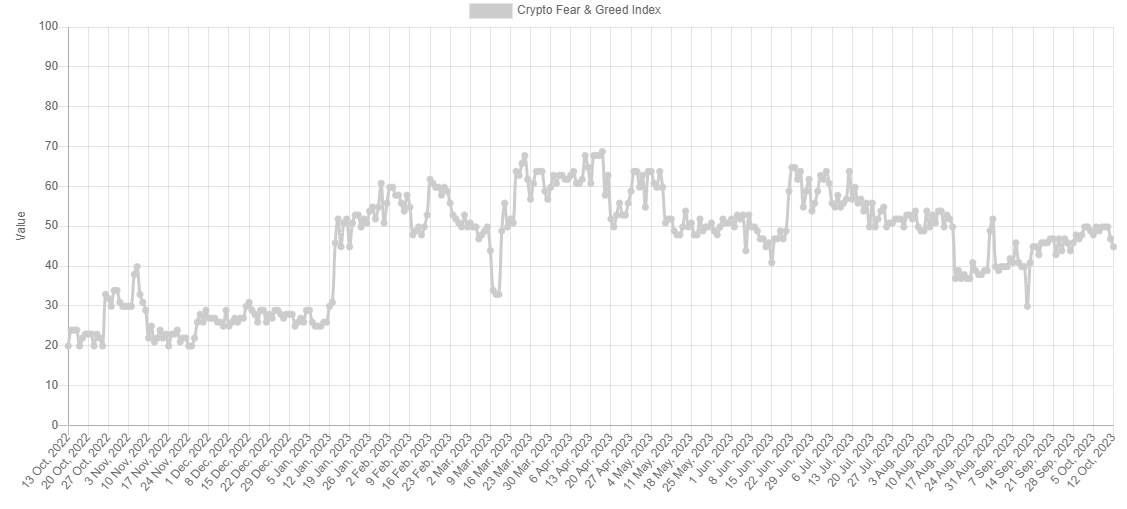 Bitcoin Plunge Below $27,000 Drives Investors Into Fear, Will Rebound Occur?Data shows the Bitcoin drop below the $27,000 level has made most investors fearful for the first time this month.
Bitcoin Fear & Greed Index Is Pointing At “Fear” Right Now
The “fear and greed index” is an indicator that tells us about the general sentiment among investors in the Bitcoin and broader cryptocurrency market. Alternativecreated the metric, and according to the website, it’s based on these factors: volatility, trading volume, social media sentiment, market cap dominance, and Google Trends data.
The indicator uses a numeric scale from zero to hundred to represent the sentiment. When the index has a value greater than 54, it means that the average investor is greedy right now, while it being under 46 implies a fearful mentality is dominant.
Related Reading: Bitcoin Finds Rejection At This Historical Line, Bear Market Back On?
The region between these two thresholds naturally signifies a neutral sentiment among the holders. Until today, the sector had been stuck inside this region since the last couple of days of September, as the investors had been split about the trajectory of Bitcoin.
The chart below shows that the market sentiment has worsened with the latest drop in the cryptocurrency’s price below the $27,000 level.
It looks like the value of the metric has registered some decline in recent days | Source: Alternative
After this latest drop in sentiment, the fear and greed index has hit a value of 45, meaning that investor sentiment has just entered the fear region.
The value of the metric seems to be 45 right now | Source: Alternative
Historically, the market has tended to move in a way that’s opposite to what the majority of the investors believe. The likelihood of such a contrary move happening increases as this imbalance in the sentiment rises.
While the holders are leaning towards one side (fear), the imbalance is small, as the fear and greed index is barely inside the territory. As such, the probability of a rebound would be pretty high right now (at least based on the sentiment).
Besides the core sentiments discussed before, there are also two special zones, called “extreme fear” (at or below values of 25) and “extreme greed” (at or above values of 75).
These regions are where the cryptocurrency has often turned around in the past. Naturally, bottoms have occurred in the former zone, while tops have formed in the latter area.
Related Reading: Bitcoin Could See A 50% Rise Based On This, Analyst Explains
If the Bitcoin fear and greed index continues declining in the coming days and reaches values near the extreme fear region, a bounce could become a real possibility.
For now, one sign pointing to the chances of a rebound may be that the large investors have been buying recently, as an analyst on X pointed out.
The BTC sharks have increased their holdings recently | Source: @ali_charts on X
Since the start of October, Bitcoin investors holding between 100 and 1,000 coins have purchased a combined 20,000 BTC worth around $533.6 million at the current exchange rate.
BTC Price
At the time of writing, Bitcoin is trading at around $26,700, down almost 5% in the past week.
BTC has experienced some downtrend recently | Source: BTCUSD on TradingView
Featured image from Bastian Riccardi on Unsplash.com, charts from TradingView.com, Santiment.net
Tags:bitcoinBitcoin fearBitcoin Fear & Greed IndexBitcoin Reboundbtcbtcusd
Bitcoin Plunge Below $27,000 Drives Investors Into Fear, Will Rebound Occur?Data shows the Bitcoin drop below the $27,000 level has made most investors fearful for the first time this month.
Bitcoin Fear & Greed Index Is Pointing At “Fear” Right Now
The “fear and greed index” is an indicator that tells us about the general sentiment among investors in the Bitcoin and broader cryptocurrency market. Alternativecreated the metric, and according to the website, it’s based on these factors: volatility, trading volume, social media sentiment, market cap dominance, and Google Trends data.
The indicator uses a numeric scale from zero to hundred to represent the sentiment. When the index has a value greater than 54, it means that the average investor is greedy right now, while it being under 46 implies a fearful mentality is dominant.
Related Reading: Bitcoin Finds Rejection At This Historical Line, Bear Market Back On?
The region between these two thresholds naturally signifies a neutral sentiment among the holders. Until today, the sector had been stuck inside this region since the last couple of days of September, as the investors had been split about the trajectory of Bitcoin.
The chart below shows that the market sentiment has worsened with the latest drop in the cryptocurrency’s price below the $27,000 level.
It looks like the value of the metric has registered some decline in recent days | Source: Alternative
After this latest drop in sentiment, the fear and greed index has hit a value of 45, meaning that investor sentiment has just entered the fear region.
The value of the metric seems to be 45 right now | Source: Alternative
Historically, the market has tended to move in a way that’s opposite to what the majority of the investors believe. The likelihood of such a contrary move happening increases as this imbalance in the sentiment rises.
While the holders are leaning towards one side (fear), the imbalance is small, as the fear and greed index is barely inside the territory. As such, the probability of a rebound would be pretty high right now (at least based on the sentiment).
Besides the core sentiments discussed before, there are also two special zones, called “extreme fear” (at or below values of 25) and “extreme greed” (at or above values of 75).
These regions are where the cryptocurrency has often turned around in the past. Naturally, bottoms have occurred in the former zone, while tops have formed in the latter area.
Related Reading: Bitcoin Could See A 50% Rise Based On This, Analyst Explains
If the Bitcoin fear and greed index continues declining in the coming days and reaches values near the extreme fear region, a bounce could become a real possibility.
For now, one sign pointing to the chances of a rebound may be that the large investors have been buying recently, as an analyst on X pointed out.
The BTC sharks have increased their holdings recently | Source: @ali_charts on X
Since the start of October, Bitcoin investors holding between 100 and 1,000 coins have purchased a combined 20,000 BTC worth around $533.6 million at the current exchange rate.
BTC Price
At the time of writing, Bitcoin is trading at around $26,700, down almost 5% in the past week.
BTC has experienced some downtrend recently | Source: BTCUSD on TradingView
Featured image from Bastian Riccardi on Unsplash.com, charts from TradingView.com, Santiment.net
Tags:bitcoinBitcoin fearBitcoin Fear & Greed IndexBitcoin Reboundbtcbtcusd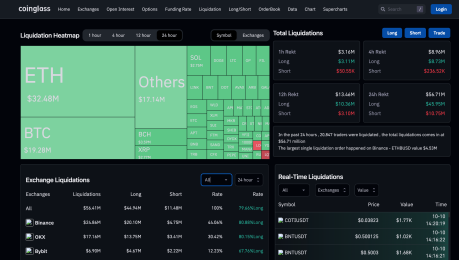 Ethereum Plunge Drives Liquidation Above $30 Million, More Pain To Come?The Ethereum price saw a notable price plunge on Monday when the Ethereum Foundation reportedly started selling coins. This plunge, in turn, triggered a series of liquidation events that have seen ETH traderssuffer massive losses in the last day.
Ethereum Liquidation Volumes Cross $30 Million.
By Tuesday, October 10, the Ethereum liquidation numbers triggered by the price crash ramped up quickly to cross the $32 million market. As expected, long traders suffered the majority of the losses with Coinglass data pointing to 87.61% of all ETH liquidationvolumes coming from long traders.
Related Reading: Top 5 Altcoins For October 2023 That Could 20X Your Crypto Portfolio
This meant that of the over $32 million in liquidation volumes recorded for the asset in the past day, $29.56 million were from long positions. This meant that only $2.91 million in short positions were liquidated.
ETH liquidations cross $30 million | Source: CoinGlass
Ethereum also snagged the crown for the largest single liquidation event for the 24-hour period. The trade was placed on the Binance crypto exchange across the ETHBUSDpair with a total value of $4.53 million by the time the liquidation occurred.
Ethereum’s volumes also put it ahead of Bitcoin for the same time period when Bitcoin usually tends to lead liquidation volumes. In the 24-hour timeframe, Bitcoin liquidationvolumes came out to $19.28 million compared to $32.48 million for Ethereum. But just like ETH, the vast majority of the liquidation volumes for BTC were from long traders.
ETH price struggles below $1,600 | Source: ETHUSD on Tradingview.com
Over 20,500 Crypto Traders Suffer Losses
The liquidation volumes over the last day have been nowhere near the highest for the year but that does not make it any less significant. CoinGlass’s data shows that as of the time of writing, 20,525 crypto tradershave been liquidated for a total of $56.42 million.
Of this figure, long traders have accounted for $44.9 million in losses, and short traders for $11.48 million. Besides Bitcoinand Ethereum, the other assets that saw notable volumes were Bitcoin Cash (BCH)with $3.59 million, XRPwith $2.77 million, and Solana (SOL)with $2.75 million.
Related Reading: Crypto Investor Buying Power Just Reached A 6-Month High, What This Means
The Binance exchangeaccounted for the largest volumes at $24.86 million, followed by the OKX exchangewith $17.16 million. Next on the list is ByBitwith $6.90 million, Huobiwith $5.8 million, and the CoinEx exchangewhich rounded off the top 5 with $1.05 million.
If there continues to be any large swing in prices like what was witnessed on Monday, then the liquidation volumes are expected to continue. The only way these volumes will remain low is if assets in the market continue to trade in a tight range.
Follow Best Owie on X (formerly Twitter)for market insights, updates, and the occasional funny tweet… Featured image from Freepik, chart from TradingView.com
Tags:cryptocrypto newsETHethereumEthereum liquidationethereum newsethereum priceethusdETHUSDTSouth Korean UPbit counters 1,800% surge in hacking attempts with AI-driven security measuresUPbit, a prominent South Korean cryptocurrency exchange, revealed it suffered 159,061 hacking attempts during the first half of this year, according to datashared by the firm’s operator, Dunamu, with South Korean politician Rep. Park Seong-jung.
The data paints a stark picture of growing risks as hacking attempts skyrocketed from 8,356 in the latter half of 2020 to more than 159,000 in the first half of this year. In practical terms, this equates to an alarming 1,800% surge in attacks on UPbit over the past three years.
Number of cyber infringement attempts targeting UPbit, data from Dunamu.
Source: Provided by Rep. Park Seong-jung’s office
Year
Hacking Attempts
2020 2H
8,356
2021 1H
34,687
2021 2H
63,912
2022 1H
73,249
2022 2H
87,242
2023 1H
159,061
The increase in cyberattack attempts underscores the vulnerability of numerous cryptocurrency exchanges. Recently, the HTX exchange fell victim to a hackthat resulted in a loss of approximately $8 million in Ethereum (ETH).
UPbit is one of the largest South Korean crypto platforms. In August, the platform accounted for around 6% of the total trading volumes across centralized exchanges, outtrading rivals like Coinbase and OKX.
UPbit enhances security measures
However, UPbit is taking proactive steps to fortify its security infrastructure in response to the growing threat landscape.
The exchange plans to increase its cold wallet holdings to 70%. Cold wallets are known for their resilience against hacking attempts, offering protection against cyber threats. This move aims to bolster the safeguarding of Upbit’s assets, as hot wallets have historically been more vulnerable to hacking incidents.
Furthermore, Upbit is introducing new security protocols for its hot wallet funds. These hot wallets will now operate within a multi-layer security structure, adding another layer of protection to these assets.
Besides that, the exchange has also introducedan artificial intelligence-backed Fraud Detection System (FDS) that would help it prevent financial fraud.
Government’s role in cybersecurity
Rep. Park Seong-jung acknowledged the rising frequency of cyber attacks on cryptocurrency platforms, noting that the government’s role in managing these incidents remains unclear.
In light of this, Seong-jung urged the Ministry to conduct white mock hacking tests to assess the information security preparedness of businesses, including virtual asset exchanges, that handle personal information.
This move aims to gain a deeper understanding of the evolving information security landscape and ensure the protection of sensitive data.
The post South Korean UPbit counters 1,800% surge in hacking attempts with AI-driven security measuresappeared first on CryptoSlate.
Ethereum Plunge Drives Liquidation Above $30 Million, More Pain To Come?The Ethereum price saw a notable price plunge on Monday when the Ethereum Foundation reportedly started selling coins. This plunge, in turn, triggered a series of liquidation events that have seen ETH traderssuffer massive losses in the last day.
Ethereum Liquidation Volumes Cross $30 Million.
By Tuesday, October 10, the Ethereum liquidation numbers triggered by the price crash ramped up quickly to cross the $32 million market. As expected, long traders suffered the majority of the losses with Coinglass data pointing to 87.61% of all ETH liquidationvolumes coming from long traders.
Related Reading: Top 5 Altcoins For October 2023 That Could 20X Your Crypto Portfolio
This meant that of the over $32 million in liquidation volumes recorded for the asset in the past day, $29.56 million were from long positions. This meant that only $2.91 million in short positions were liquidated.
ETH liquidations cross $30 million | Source: CoinGlass
Ethereum also snagged the crown for the largest single liquidation event for the 24-hour period. The trade was placed on the Binance crypto exchange across the ETHBUSDpair with a total value of $4.53 million by the time the liquidation occurred.
Ethereum’s volumes also put it ahead of Bitcoin for the same time period when Bitcoin usually tends to lead liquidation volumes. In the 24-hour timeframe, Bitcoin liquidationvolumes came out to $19.28 million compared to $32.48 million for Ethereum. But just like ETH, the vast majority of the liquidation volumes for BTC were from long traders.
ETH price struggles below $1,600 | Source: ETHUSD on Tradingview.com
Over 20,500 Crypto Traders Suffer Losses
The liquidation volumes over the last day have been nowhere near the highest for the year but that does not make it any less significant. CoinGlass’s data shows that as of the time of writing, 20,525 crypto tradershave been liquidated for a total of $56.42 million.
Of this figure, long traders have accounted for $44.9 million in losses, and short traders for $11.48 million. Besides Bitcoinand Ethereum, the other assets that saw notable volumes were Bitcoin Cash (BCH)with $3.59 million, XRPwith $2.77 million, and Solana (SOL)with $2.75 million.
Related Reading: Crypto Investor Buying Power Just Reached A 6-Month High, What This Means
The Binance exchangeaccounted for the largest volumes at $24.86 million, followed by the OKX exchangewith $17.16 million. Next on the list is ByBitwith $6.90 million, Huobiwith $5.8 million, and the CoinEx exchangewhich rounded off the top 5 with $1.05 million.
If there continues to be any large swing in prices like what was witnessed on Monday, then the liquidation volumes are expected to continue. The only way these volumes will remain low is if assets in the market continue to trade in a tight range.
Follow Best Owie on X (formerly Twitter)for market insights, updates, and the occasional funny tweet… Featured image from Freepik, chart from TradingView.com
Tags:cryptocrypto newsETHethereumEthereum liquidationethereum newsethereum priceethusdETHUSDTSouth Korean UPbit counters 1,800% surge in hacking attempts with AI-driven security measuresUPbit, a prominent South Korean cryptocurrency exchange, revealed it suffered 159,061 hacking attempts during the first half of this year, according to datashared by the firm’s operator, Dunamu, with South Korean politician Rep. Park Seong-jung.
The data paints a stark picture of growing risks as hacking attempts skyrocketed from 8,356 in the latter half of 2020 to more than 159,000 in the first half of this year. In practical terms, this equates to an alarming 1,800% surge in attacks on UPbit over the past three years.
Number of cyber infringement attempts targeting UPbit, data from Dunamu.
Source: Provided by Rep. Park Seong-jung’s office
Year
Hacking Attempts
2020 2H
8,356
2021 1H
34,687
2021 2H
63,912
2022 1H
73,249
2022 2H
87,242
2023 1H
159,061
The increase in cyberattack attempts underscores the vulnerability of numerous cryptocurrency exchanges. Recently, the HTX exchange fell victim to a hackthat resulted in a loss of approximately $8 million in Ethereum (ETH).
UPbit is one of the largest South Korean crypto platforms. In August, the platform accounted for around 6% of the total trading volumes across centralized exchanges, outtrading rivals like Coinbase and OKX.
UPbit enhances security measures
However, UPbit is taking proactive steps to fortify its security infrastructure in response to the growing threat landscape.
The exchange plans to increase its cold wallet holdings to 70%. Cold wallets are known for their resilience against hacking attempts, offering protection against cyber threats. This move aims to bolster the safeguarding of Upbit’s assets, as hot wallets have historically been more vulnerable to hacking incidents.
Furthermore, Upbit is introducing new security protocols for its hot wallet funds. These hot wallets will now operate within a multi-layer security structure, adding another layer of protection to these assets.
Besides that, the exchange has also introducedan artificial intelligence-backed Fraud Detection System (FDS) that would help it prevent financial fraud.
Government’s role in cybersecurity
Rep. Park Seong-jung acknowledged the rising frequency of cyber attacks on cryptocurrency platforms, noting that the government’s role in managing these incidents remains unclear.
In light of this, Seong-jung urged the Ministry to conduct white mock hacking tests to assess the information security preparedness of businesses, including virtual asset exchanges, that handle personal information.
This move aims to gain a deeper understanding of the evolving information security landscape and ensure the protection of sensitive data.
The post South Korean UPbit counters 1,800% surge in hacking attempts with AI-driven security measuresappeared first on CryptoSlate.Over the past few years, decentralized finance (DeFi) has developed rapidly and gradually formed a complete on-chain financial infrastructure. From decentralized exchanges to lending protocols, and from stablecoins to derivatives trading, DeFi has already covered a wide range of financial scenarios and built an ever-expanding on-chain financial ecosystem. As the market has grown, DeFi’s total value locked (TVL) once exceeded $93 billion, while the number of users worldwide has continued to rise. This shows that on-chain finance is becoming one of the most important applications in the Web3 ecosystem. However, most DeFi protocols today still rely on smart contracts with fixed logic. Users must execute operations manually and frequently switch between different protocols, making it difficult for complex financial strategies to run automatically over the long term. Data screenshot source: DefiLlama With the rapid development of AI technology, on-chain finance is entering a new stage—moving from traditional financial protocols driven by smart contracts toward automated financial execution networks powered by AI Agents. This shift is also seen as an important sign of Web3 evolving into Web4: if Web3 enabled decentralized ownership of assets and data through blockchain, then Web4 gives the internet intelligent execution capabilities through AI Agents, allowing users to delegate complex on-chain financial operations to intelligent agents for automatic completion. Against this backdrop, AILink Protocol emerged. An AI Agent-Driven On-Chain Financial Execution Network AILink is an AI Agent-driven on-chain financial execution platform. Through the Agent Commerce Protocol (ACP), AILink has built an on-chain financial execution network composed of AI Agents, enabling AI to automatically carry out complex financial tasks within the on-chain ecosystem. Within the AILink network, AI Agents can automatically execute strategies based on real-time market data, manage on-chain assets, and complete complex financial operations across different protocols. Through continuous data analysis and strategy optimization, these Agents can keep improving execution efficiency, allowing financial activities to achieve a higher degree of automated operation on-chain. Through this mechanism, AILink is upgrading on-chain finance from a static smart contract system into an AI-driven financial execution network. ENI: The Infrastructure Network Behind AILink AILink Protocol is built on ENI Network. ENI is a high-performance modular Layer-1 blockchain network designed for large-scale commercial applications, aiming to provide stable and scalable infrastructure for enterprise-grade Web3 applications. Through its Hub + AppChain modular architecture, ENI can support high-concurrency transaction processing and allows different applications to deploy independent on-chain environments based on their own needs, enabling flexible expansion. This architecture allows enterprises to gradually migrate real business operations on-chain without changing their original system structure. On top of this infrastructure, AILink is building an AI Agent-driven on-chain financial execution network, providing automated execution capabilities for the on-chain financial ecosystem. AILink’s Technical Architecture To support AI Agents in executing complex financial tasks on-chain, AILink has built a multi-layer architecture. At the top is the AI Agent Layer. This layer provides intelligence capabilities, including market data analysis, strategy generation, decision-making, and risk assessment. AI Agents can continuously optimize financial strategies based on real-time data, thereby improving execution efficiency. In the middle is the AILink Protocol Layer. This layer is responsible for executing on-chain tasks, including strategy operation, task scheduling, cross-protocol actions, and on-chain value settlement. It serves as a critical bridge between AI Agents and DeFi protocols. At the bottom is the ENI Infrastructure Layer. AILink operates on ENI Network’s high-performance blockchain infrastructure, enabling the system to support large-scale AI Agent networks and complex financial tasks. Through this architectural design, AILink can enable efficient collaborative operation of AI Agents within the on-chain financial ecosystem. Building the AI-Driven Future of On-Chain Finance As artificial intelligence continues to advance, AI Agents are gradually becoming important participants in the digital economy. From data analysis to strategy execution, and from there to the automated operation of complex financial tasks, AI is redefining how financial systems operate. In the field of on-chain finance, this transformation is equally inevitable. The future of DeFi will no longer be just a collection of protocols driven by smart contracts, but a network of AI systems capable of continuous operation, collaborative decision-making, and automatic execution of financial strategies. In such a system, users will no longer need to manually handle complex on-chain processes. They will only need to define their goals, and AI Agents will be able to automatically complete a full range of tasks, including strategy execution, asset management, and risk control. AILink Protocol is building an AI Agent-driven on-chain DeFi platform. As AI Agent capabilities continue to improve and protocol standardization advances, this model of automated finance—where intelligent agents automatically execute financial strategies—is gradually becoming a reality.